Spring Deep Cleaning Checklist: 10 Room-by-Room Tasks
It's a sunny Saturday in Acworth. You've wiped the kitchen counters, cleared the breakfast dishes, and started feeling productive. Then you turn on the ceiling fan, and dust drifts onto the surfaces you just cleaned.
Start high, finish low. That's the rule that keeps a spring deep clean from turning into repeat work. Remove clutter first, clean overhead surfaces before furniture, and save the final vacuuming and mopping until the dusty jobs are finished.
This spring deep cleaning checklist fits homes in Kennesaw, Woodstock, and Cartersville where Georgia pollen, tracked-in red clay, pets, and busy schedules all compete for attention. Renters can focus on accessible surfaces without altering fixtures, while offices and HOA clubhouses can use the same cleaning order around occupied spaces.
- Gather supplies first. Bring microfiber cloths, a vacuum with brush and crevice attachments, a soft scrub brush, gloves, and surface-compatible, low-odor cleaners.
- Plan ventilation. Open windows only when outdoor conditions permit. Heavy pollen, smoke, or muggy weather may make that the wrong choice.
- Separate cleaning from disinfection. A seasonal reset isn't the same as cleaning after someone has been sick. These post-illness household cleaning tips offer a separate starting point.
Work through the tasks room by room, but leave each room's floors until its overhead, storage, and fabric work is complete. A professional visit follows the same practical rhythm: preparation, detailed cleaning, and a final review.
Table of Contents
- 1. Dust Ceiling Fans, Light Fixtures, and Vent Covers
- 2. Wash Interior Windows, Sills, and Tracks
- 3. Wash Baseboards, Doors, and Light Switch Plates
- 4. Deep-Clean the Inside of the Oven and Fridge
- 5. Clean Upholstery and Vacuum Under Cushions
- 6. Wash Curtains, Blinds, and Window Treatments
- 7. Clean Tile Floors, Grout, and the Entryway
- 8. Clean Inside Cabinets, Drawers, and Closets
- 9. Wash Bedding, Pillows, and Area Rugs
- 10. Clean Bathroom Grout, Exhaust Fans, and Shower Doors
- How the 10 spring deep cleaning tasks compare at a glance
- Set Your Spring Priorities and Let Maid in America Help
1. Dust Ceiling Fans, Light Fixtures, and Vent Covers
A dusty fan above a bed or kitchen island deserves attention before anything underneath it. Switch it off, let the blades stop, and place an old sheet below the work area to catch debris.
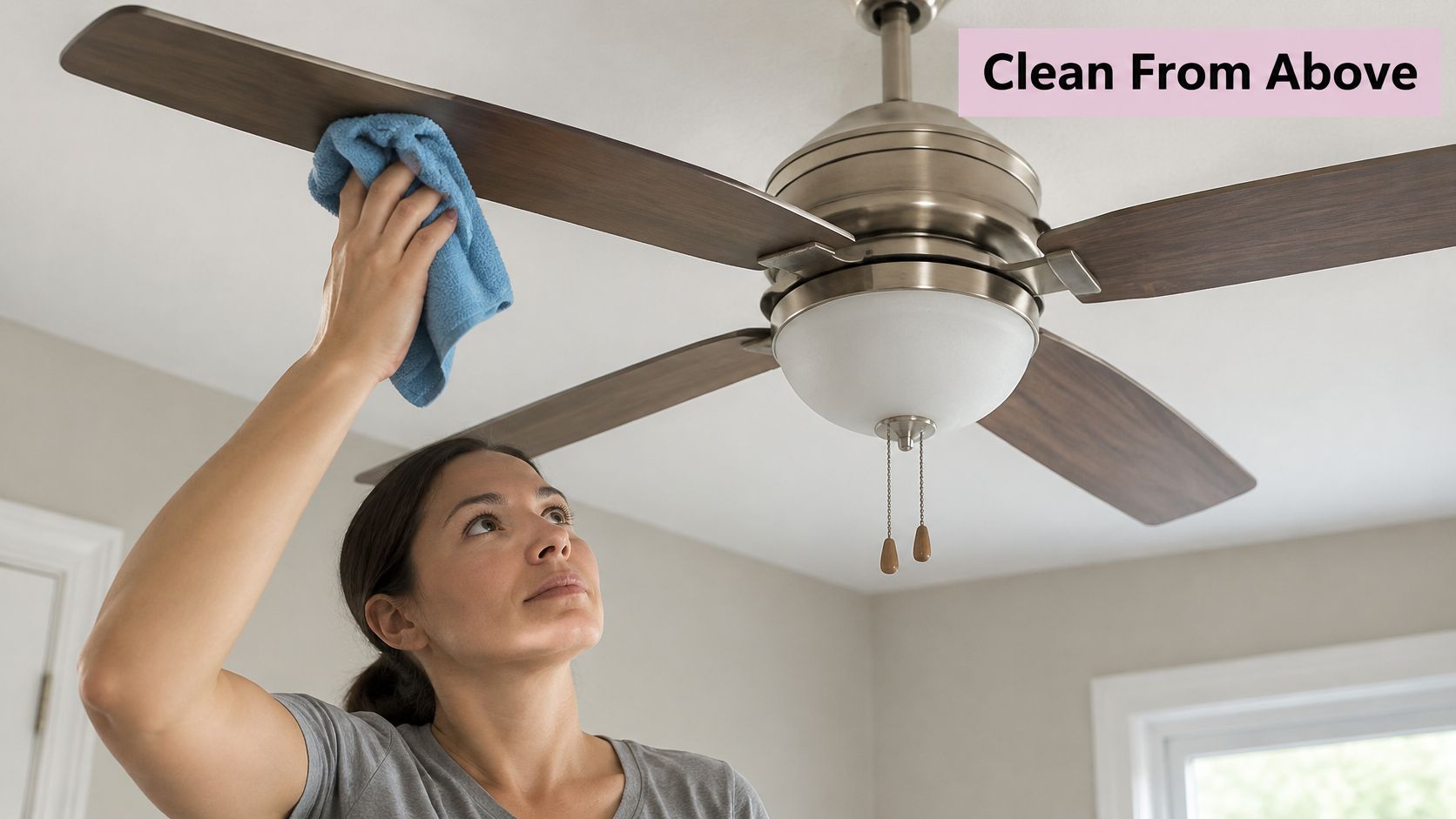
Use a slightly damp microfiber cloth to capture dust rather than flicking it into the room. Support each blade gently while wiping, and keep moisture away from the motor housing.
- Light fixtures: Turn off the power and let bulbs cool. Remove washable globes only when you can do so safely, hand-wash as the manufacturer permits, and dry thoroughly before replacing.
- Vent covers: Vacuum accessible grilles with a brush attachment, then wipe the outer surface. Don't spray cleaner into duct openings.
- HVAC filter: Check its condition rather than automatically replacing a clean filter. ENERGY STAR's homeowner manual recommends checking filters every month and changing them at least every three months, or sooner when dirty.
Keep the work within safe reach
For a Kennesaw bedroom with a standard-height fan, this is often a manageable DIY task. A vaulted living room is different: don't balance on furniture or stretch sideways from a ladder.
Leave inaccessible fixtures to someone equipped for the height. HVAC servicing also belongs with a qualified technician, not on a household dusting list.
2. Wash Interior Windows, Sills, and Tracks
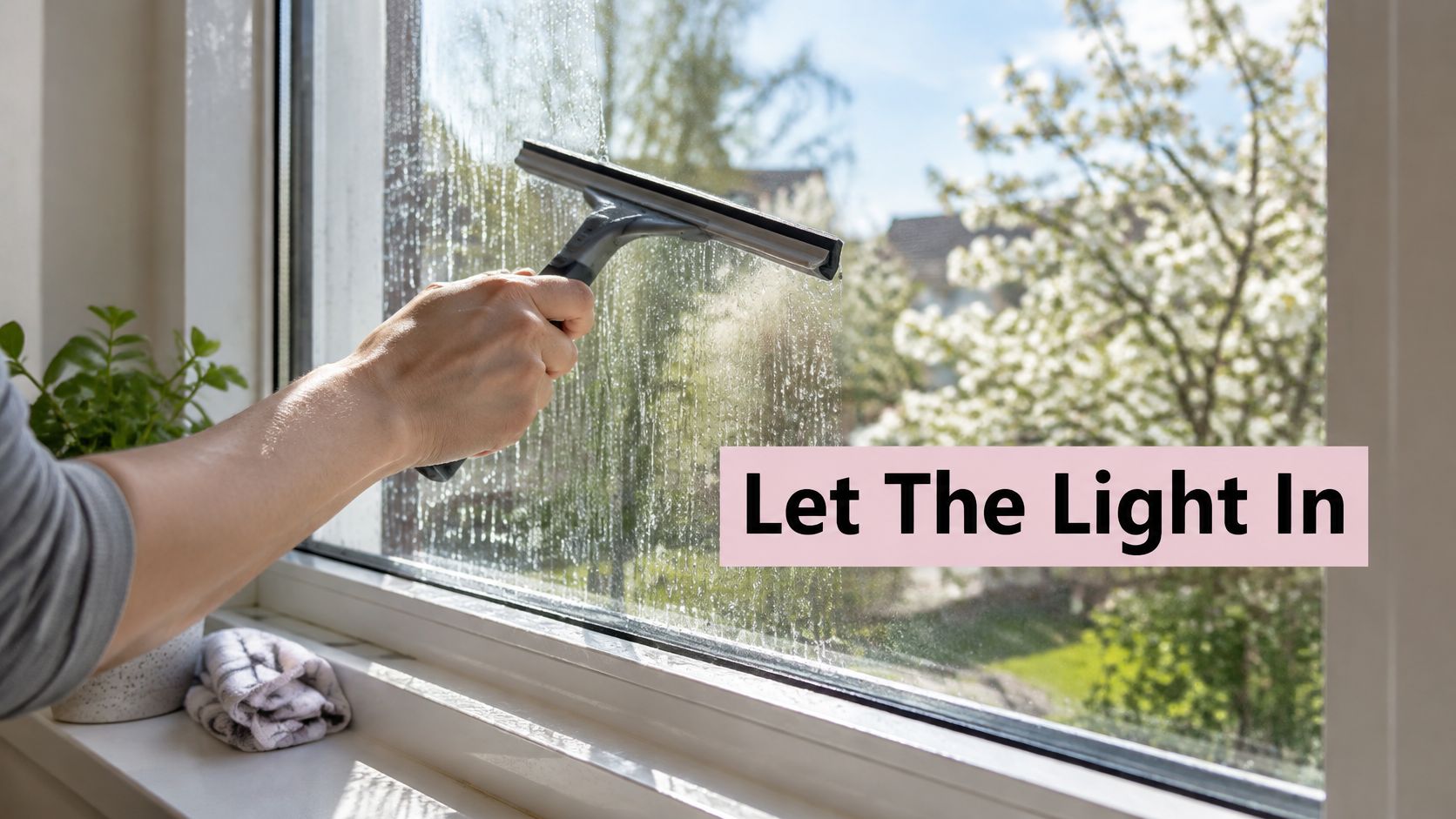
Clean the dirty frame before polishing the glass. Otherwise, the cloth or squeegee pulls grit from the edges onto the pane you've just finished.
Windows are a familiar deep-cleaning priority: 75% of spring cleaners washed windows in the American Cleaning Institute's 2023 survey. In Marietta and Powder Springs homes, the useful distinction is between removing loose pollen and scrubbing it into a wet paste.
Clean tracks before glass
Vacuum dry debris with a crevice tool. Loosen the remaining dirt with a small, soft brush, then wipe the track with a damp cloth and dry it without flooding the frame.
Apply a glass-compatible cleaner sparingly and work with a clean squeegee or lint-free cloth. Straight, overlapping strokes make missed patches easier to spot than random rubbing.
Practical rule: If the cloth is dragging grit across the glass, stop and remove the grit. More pressure isn't the answer.
Say the afternoon sun falls directly onto your Woodstock living-room windows. Clean a shaded room first, then return when the glass is cooler so the solution doesn't dry before you can remove it.
Keep DIY work to safely accessible interior windows. Renters should report damaged seals, loose frames, or persistent moisture rather than attempting repairs during cleaning.
3. Wash Baseboards, Doors, and Light Switch Plates
The hallway between the garage and kitchen often needs more attention than a rarely used guest room. Backpacks rub door frames, pets brush against baseboards, and hands leave marks around switches.
Start with upper door frames, continue down doors and trim, and finish with baseboards. Vacuum loose dust first, then use a barely damp cloth with a mild cleaner that's compatible with the finish.
- Test painted surfaces: Try the cleaner behind a door before working across visible trim. Aggressive scrubbing can remove paint sheen along with the mark.
- Control moisture: Wipe small sections and dry them promptly, especially around wood joints and damaged paint.
- Protect electrical fittings: Apply cleaner to the cloth, never directly onto a switch. Keep liquid out of plate openings.
Clean first, disinfect only when appropriate
The CDC's household cleaning guidance says cleaning with soap and water removes most germs in most situations, while household disinfection is generally unnecessary unless someone is sick or recently visited while sick. A stronger-smelling product isn't automatically a better choice for ordinary fingerprints.
For a Dallas household with children and a dog, prioritize the back-door frame, kitchen switches, and hallway baseboards. That targeted pass usually makes more sense than treating every wall as equally dirty.
Leave switch plates attached for routine wiping. If grime extends behind a plate or a switch is loose, stop and have the electrical issue addressed rather than washing around exposed components.
4. Deep-Clean the Inside of the Oven and Fridge
An oven with baked-on grease and a refrigerator with sticky drawer tracks need different tools. Clear the kitchen counters first so removable parts have somewhere clean to dry.
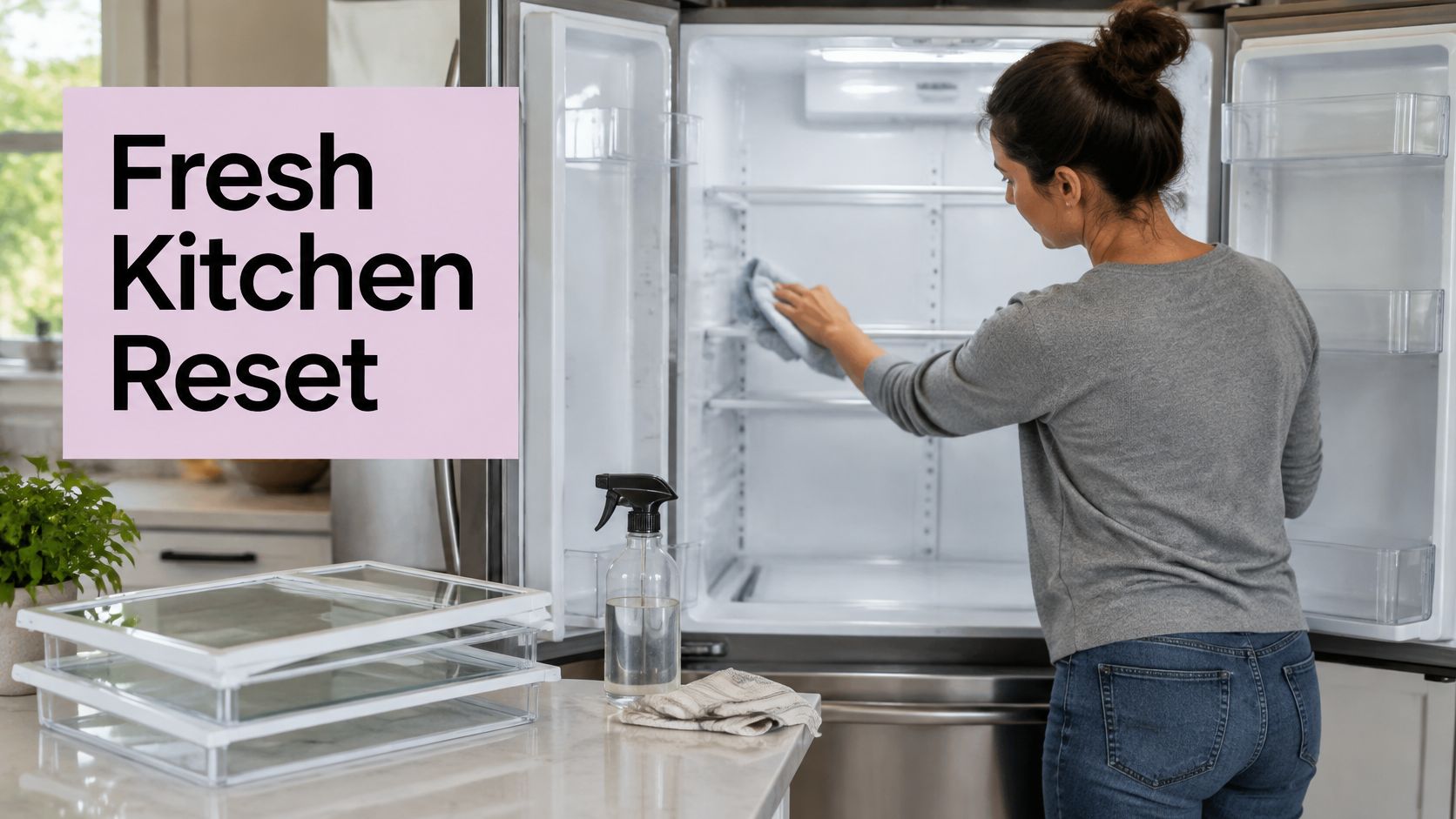
Move refrigerated perishables into an insulated cooler while you work. Remove shelves and drawers as the appliance manual permits, and let cold glass approach room temperature before washing it with warmer water.
Give grease time to loosen
For the oven, read the manual before applying anything, including baking soda paste. A mild paste can help with light residue on compatible surfaces, but it isn't a universal treatment for specialty liners, heating elements, seals, or self-cleaning systems.
- Fridge interior: Wash removable parts by hand unless the manufacturer permits dishwasher use. Wipe the compartment, clean drawer channels, and dry before reassembly.
- Oven interior: Use an approved product, give it the directed working time, and remove residue thoroughly.
- Oven glass: Use a non-scratching method. Our guide to cleaning oven glass inside explains where extra care matters.
In the American Cleaning Institute's 2025 survey, 39% of adults ranked effectiveness as the most important cleaning-product attribute, compared with 6% for scent. Judge the result by removed grease and residue, not fragrance.
Before an Acworth family cookout, the fridge may be the better DIY priority. Hand off the oven if baked-on deposits, uncomfortable bending, or product sensitivity make it impractical.
5. Clean Upholstery and Vacuum Under Cushions
Lift a sofa cushion before reaching for stain remover. Crumbs, pet hair, and grit need dry removal first, or wet cleaning can spread them farther into the fabric.
Work from the back and arms toward the seat, using the upholstery attachment. Remove loose cushions when possible, vacuum seams with a crevice tool, and inspect the platform underneath for small objects before continuing.
The EPA's indoor-air-quality overview explains that regular cleaning can reduce, although not eliminate, dust mites, pollen, animal dander, and other allergy-causing agents. That makes fabric care worth including even when the sofa looks presentable.
Read the fabric code before spot-cleaning
Check the manufacturer's care instructions rather than assuming every upholstered chair tolerates water. Some fabrics require solvent-based care or vacuuming only, and a natural cleaner can still leave a ring or damage a finish.
Vacuuming is the sensible default. Wet treatment is a separate decision based on the fabric, not how dirty it looks.
For a Cartersville family whose dog naps on the sectional, focus on cushion seams, the pet's preferred corner, and the floor underneath. Rotate or flip cushions only if their design allows it.
Let any damp fabric dry fully before replacing cushions or sitting down. Use ventilation suited to outdoor conditions, and hand off persistent stains or delicate upholstery to a fabric-care specialist rather than repeatedly soaking the spot.
6. Wash Curtains, Blinds, and Window Treatments
A clean window behind dusty curtains is an unfinished job. Remove loose dust from the treatments before the final glass touch-up, especially if opening and closing the curtains releases visible debris.
Vacuum curtains gently with a brush attachment and reduced suction when available. Support the fabric so the vacuum doesn't pull against the hardware, then read the care label before taking anything down.
- Washable curtains: Follow the specified wash and drying method. Heat, agitation, and unsupported fabric can affect size and shape.
- Blinds: Dust first, then wipe compatible slats with a lightly damp cloth. Don't soak wood, fabric-covered components, or mechanisms.
- Delicate drapes: Leave lined, embellished, or dry-clean-only treatments to the appropriate specialist.
Balance fresh air with Georgia pollen
The EPA's indoor-environment guidance recommends ventilation when conditions permit and cautions against adding unnecessary indoor pollutants through cleaners and fragrances. Opening every window during heavy pollen or poor outdoor air conditions isn't a sensible shortcut.
For a Woodstock bedroom, take down washable panels before cleaning nearby furniture. Launder them while you work, then rehang according to their care instructions once they're appropriately dry.
If curtain hardware requires climbing or heavy lifting, keep the DIY work to accessible dusting. For retirees aging in place, delegating removal and rehanging can be more practical than turning a routine fabric job into a fall risk.
7. Clean Tile Floors, Grout, and the Entryway
Red clay on an entryway floor is easier to manage before someone turns it into muddy mop water. Let loose soil dry when practical, then vacuum it with an attachment suitable for the flooring.
Treat this as the floor-cleaning method, not permission to finish floors early. Complete cabinets, fabrics, and bathroom overhead work before the final whole-home vacuum and mop.
Remove grit before scrubbing grout
Use a floor-compatible cleaner at its labeled dilution. Work grout lines with a soft nylon brush, remove the dirty solution, and rinse when the product instructions require it.
Avoid wire brushes and don't assume an acidic cleaner is safe for natural stone or cement-based materials. Persistent discoloration may need specialist cleaning or repair rather than harder scrubbing.
- At the doors: Use an outdoor mat to scrape soil and an indoor mat to catch what remains.
- For shoes and paws: Keep a washable landing area near the entrance instead of carrying dirt through the house.
- For finished floors: Use only as much water as the material tolerates, and dry edges where moisture collects.
In a Hiram home after a muddy sports practice, clean the route from the back door to the laundry area first to limit further tracking. Save the final pass until everyone has finished carrying laundry and supplies through.
For an office or HOA clubhouse, close off the wet section and maintain a safe, dry walking route. A tile specialist is the better handoff for deep staining, damaged grout, or resealing.
8. Clean Inside Cabinets, Drawers, and Closets
Don't empty every storage space onto the floor at once. Choose a manageable section, sort its contents, clean it, and put it back before opening another.
That approach works particularly well for Acworth and Kennesaw households that need functional storage rather than a weekend surrounded by half-finished piles. It also keeps cleaning access clear in a small rental.
Sort before wiping
Separate items into keep, donate, and discard groups. Check pantry dates, remove crumbs with a vacuum attachment, and wipe shelves with a lightly damp cloth and a finish-compatible cleaner.
- Dry before restocking: Moisture trapped beneath containers or liners defeats the purpose of cleaning.
- Make storage reachable: Place regularly used items within comfortable reach, especially for anyone avoiding overhead lifting or deep bending.
- Use removable liners: Washable liners can simplify later cleanup, provided the shelf is dry and the liner suits the surface.
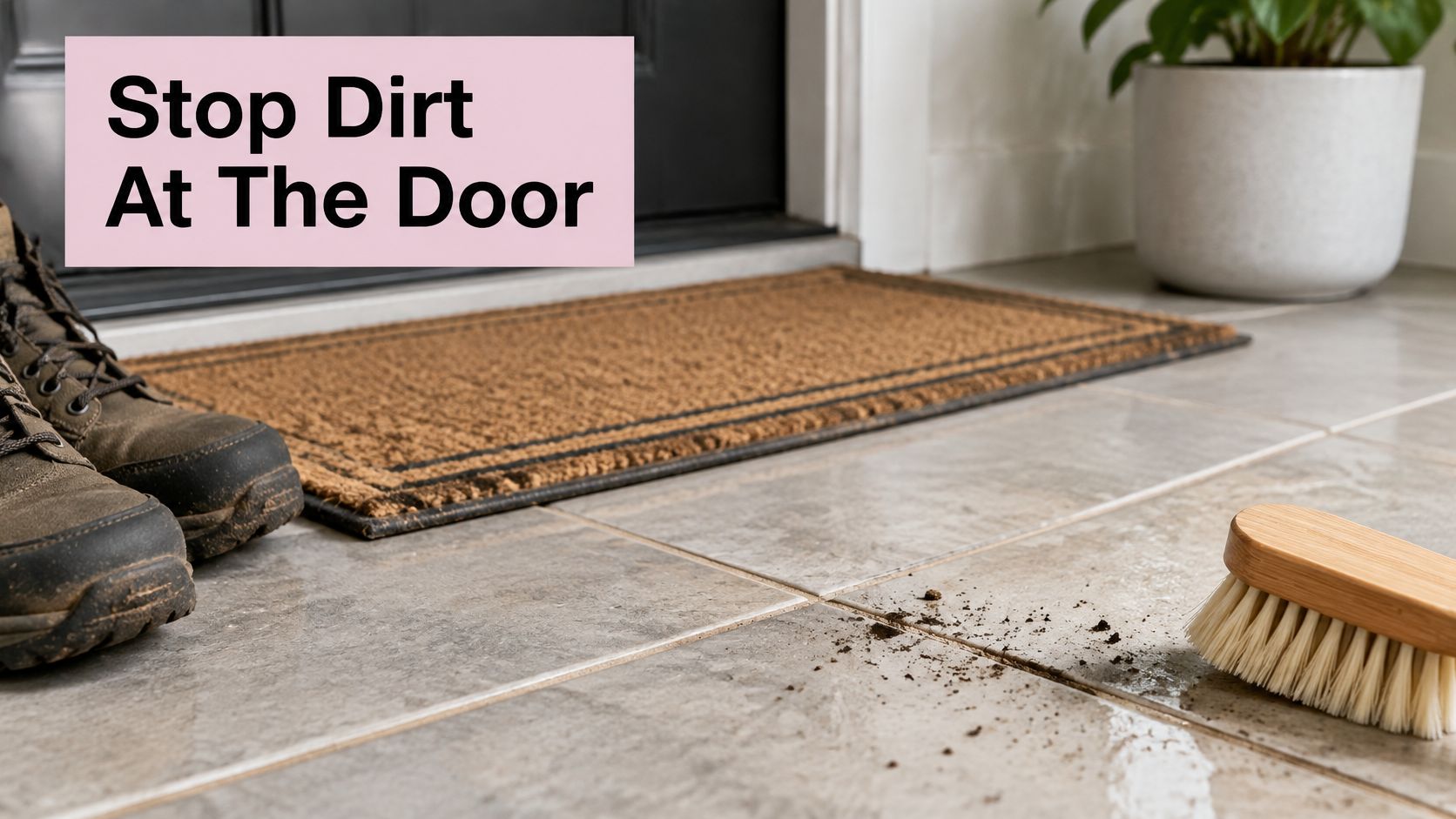
Keep discarded items and dirty shoes near the exit rather than carrying them across cleaned rooms. Once the storage work is finished, remove the bags before the final floor pass.
For someone preparing a Marietta rental for handover, prioritize empty kitchen and bathroom storage over reorganizing packed boxes. Ask the landlord before removing fixed shelving, and leave pest evidence or water damage visible for documentation rather than covering it with new liners.
9. Wash Bedding, Pillows, and Area Rugs
Start bedding early so it can wash while you clean elsewhere, but don't remake the bed beneath a fan that still needs dusting. Bag or carry linens gently instead of shaking them through the room.
Use a low-odor detergent and the water temperature allowed by the fabric label. Blankets, mattress protectors, pillows, and decorative covers may all need different treatment.
Washable doesn't mean easy to dry
Check pillow instructions before putting them in either appliance. Some fills tolerate washing, while others need a different method, and a pillow that remains damp inside isn't ready for its case.
For rugs, vacuum both sides when the construction permits and clean the floor beneath. Check backing, dyes, and care instructions before washing; our guide to cleaning bathroom rugs covers common bath-mat decisions.
- Protect the washer: Don't force bulky bedding or a heavy rug into a machine that can't accommodate it.
- Dry completely: Check thick seams, backing, and filling before returning items to service.
- Avoid trapped moisture: Never place a damp rug over wood flooring.
The CDC's facility cleaning guidance emphasizes following cleaning and laundering directions and using appropriate protection for the task. The same disciplined approach is useful at home.
For a Powder Springs household with pet bedding and bedroom rugs, choose the loads that can be dried that day. Send oversized or delicate pieces to a suitable laundry or rug-care specialist.
10. Clean Bathroom Grout, Exhaust Fans, and Shower Doors
A bathroom can look polished while moisture remains a problem. Before scrubbing shower glass, check the exhaust cover, damp corners, and caulk seams.
Turn off power before removing an exhaust-fan cover, and follow its maintenance instructions. Vacuum accessible dust, wash only removable components approved for washing, and dry everything before reassembly.
Remove buildup without damaging the surface
Use a soft brush and a shower-compatible, low-odor cleaner on grout. Give soap-scum remover its directed working time, then rinse and dry the glass and tracks rather than layering additional products over residue.
Our guide to removing mold and mildew from a shower helps distinguish cleaning buildup from problems that need further attention. Cracked caulk, recurring growth, or moisture beyond the shower calls for repair or investigation, not repeated surface treatment.
Safety checkpoint: Never mix cleaning products. A low odor doesn't prove that a mixture is safe or that a product disinfects.
When disinfection is warranted, the CDC's home disinfection guidance says the surface must remain visibly wet throughout the product's labeled contact time. Clean visible soil first, follow ventilation and protective-equipment directions, and use a compatible product.
For a West Cobb bathroom preparing for Georgia's humid summer, run the exhaust during and after showers and wipe wet shower surfaces. Finish by cleaning the toilet, handles, sink, and finally the floor, using separate cloths for toilet work.
How the 10 spring deep cleaning tasks compare at a glance
| Item | Key Benefit | Key Drawback |
|---|---|---|
| Dust Ceiling Fans, Light Fixtures, and Vent Covers | Freshens rooms and reduces recirculating dust | High areas can be unsafe to reach; dust may fall onto floors |
| Wash Interior Windows, Sills, and Tracks | Brighter rooms and smoother-sliding windows | Tracks take time to clean; hard water spots may need extra effort |
| Wash Baseboards, Doors, and Light Switch Plates | Quickly removes visible dust and scuffs | Scrubbing may dull paint or damage delicate finishes |
| Deep-Clean the Inside of the Oven and Fridge | Reduces cooking odors and makes food storage easier to manage | Oven cleaning can take multiple passes |
| Clean Upholstery and Vacuum Under Cushions | Removes crumbs and pet hair and freshens furniture | Stains may need professional cleaning; excess moisture can mark fabric |
| Wash Curtains, Blinds, and Window Treatments | Reduces dust and lets more light into rooms | Heavy curtains and detailed blinds can be difficult to clean |
| Clean Tile Floors, Grout, and the Entryway | Keeps dirt from spreading and helps grout stay cleaner | Stubborn stains may need specialty treatment; heavy scrubbing can wear grout |
| Clean Inside Cabinets, Drawers, and Closets | Improves organization and helps identify expired or unused items | Decluttering can take longer than expected |
| Wash Bedding, Pillows, and Area Rugs | Creates a fresher sleeping area and reduces dust and pet hair | Large rugs or non-washable pillows may need special care |
| Clean Bathroom Grout, Exhaust Fans, and Shower Doors | Improves ventilation, reduces musty smells, and freshens bathrooms | Heavy mildew may need stronger treatment; damaged caulk requires repair |
Set Your Spring Priorities and Let Maid in America Help
You don't need to finish the entire house this weekend to make useful progress. Start with the places that affect everyday air, moisture, and traffic: accessible fans and vents, entryway dirt, bedding, and bathroom ventilation. Those four areas carry most of the pollen and red clay a Georgia spring drags in, and clearing them first means the rest of the house stays cleaner while you work through the list.
Be realistic about the workload. In the American Cleaning Institute's 2024 survey, 45% of surveyed Americans who spring clean said the process takes three or more days. Splitting the work isn't a failure to finish; it's a practical way to avoid rushing, mixing products, or leaving wet fabrics piled up overnight.
Choose DIY work by effort and risk
Handle the tasks you can reach comfortably and complete safely. Sorting pantry shelves, washing suitable linens, and wiping accessible doors are good weekend jobs. Tall fixtures, heavy furniture, delicate textiles, and damaged surfaces are better left to another pair of hands or a specialist.
- DIY when practical: You know the surface, have compatible supplies, and can finish the drying and cleanup.
- Delegate detailed cleaning: Bending, repetitive scrubbing, or a packed schedule makes a thorough reset hard to pull off.
- Arrange specialist help: Electrical faults, HVAC servicing, persistent moisture, and material repairs fall outside ordinary cleaning.
Maid in America's Top-to-Bottom Deluxe cleaning is designed for first visits, seasonal resets, special occasions, and homes that need more than routine maintenance. Included tasks depend on the service selected, and add-ons such as oven, refrigerator, or grout cleaning must be requested in advance so the visit matches your priorities.
Make the plan personal
Special-care instructions are recorded before cleaning, every visit follows a detailed plan, and the cleaner reviews completed work before leaving. Share what matters at booking: sensitive finishes, household odor preferences, pets, and the rooms that need the most attention.
Maid in America is a locally owned company and is licensed, bonded, and insured. Cleaners work with natural, low-odor products, and one experienced cleaner is usually assigned to a home rather than a rotating team, so clients often get to know their cleaner by name.
We serve homeowners, renters, businesses, and community spaces in Kennesaw, Acworth, Woodstock, Marietta, Dallas, Hiram, Powder Springs, and Cartersville, plus nearby communities across Cobb, Paulding, and Bartow counties. Whether you're managing a family home, a small office, or an HOA clubhouse, clear priorities help keep the work consistent and useful.
Add sparkle and shine with your health in mind. That means choosing appropriate products, respecting the people using the space, and checking the result, not covering unfinished cleaning with a stronger fragrance.
Maid in America offers personalized deep cleaning to help tackle the dust, buildup, and overlooked surfaces on your spring checklist. Visit Maid in America to request a free estimate online, or call 770-427-4448 and tell us which rooms and tasks matter most.





Maid in America provides reliable, personalized cleaning with natural products for homes, offices, and communities across West Georgia. Licensed, bonded, and insured, we’re locally and privately owned.
Get in touch with us today!
info@maidinamericaga.com