How to Choose a Post Construction Cleaning Company
When the contractor's tool trailer pulls away, the house doesn't always feel finished. You step into the renovated kitchen or freshly painted rooms expecting relief, then notice the chalky film on the cabinets, the gritty floor under your socks, and the haze dulling the afternoon light through the windows. The project looks beautiful underneath it all, but the cleanup is still a jobsite.
That's the point when many homeowners in Kennesaw, Acworth, and West Georgia realize they don't need another weekend with a shop vacuum. They need a post construction cleaning company that understands fine dust, finished surfaces, construction residue, and the order in which the work has to happen.
Table of Contents
The Moment the Crews Leave and the Dust Stays
The renovation may be complete, but the dust keeps moving. Drywall compound has cured into a faint powder around the trim. Sawdust sits inside HVAC returns. Paint flecks cling to baseboards, adhesive remains on cabinet faces, and a thin layer of residue covers the tops of doors, ceiling fans, and light fixtures.
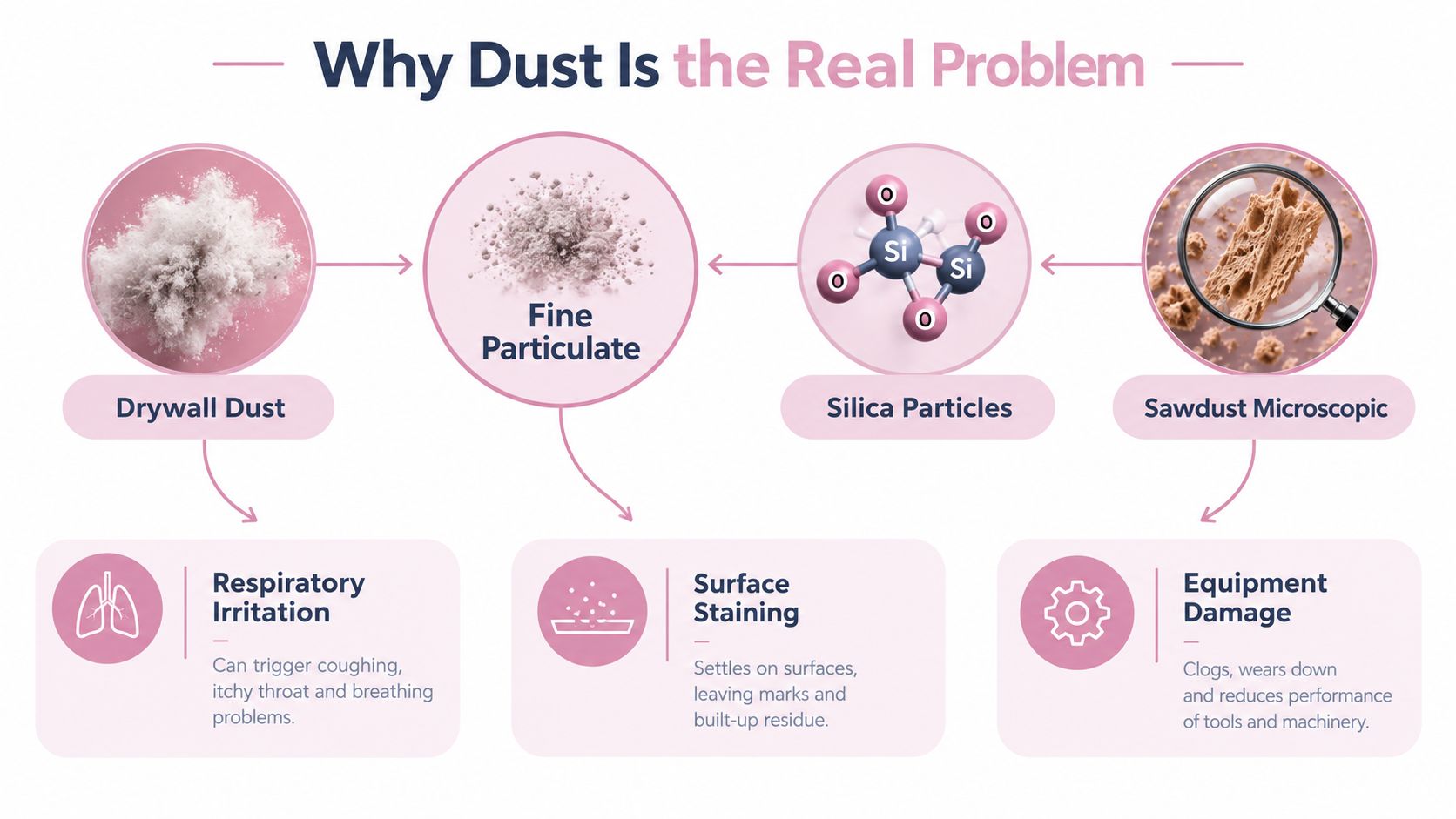
That material isn't ordinary household dust. It can include drywall particles, wood dust, concrete residue, and silica-containing dust created by cutting, grinding, or drilling masonry, tile, block, brick, and stone. Construction dust has been recognized as an occupational health concern for years, and a systematic review attributed 15% to 20% of prevalent chronic obstructive pulmonary disease cases to occupational exposure to vapours, gases, dusts, and fumes. The same review reported that construction workers in one U.S. study had twice the lifetime COPD risk of non-construction workers. Read the findings in the systematic review of occupational dust exposure.
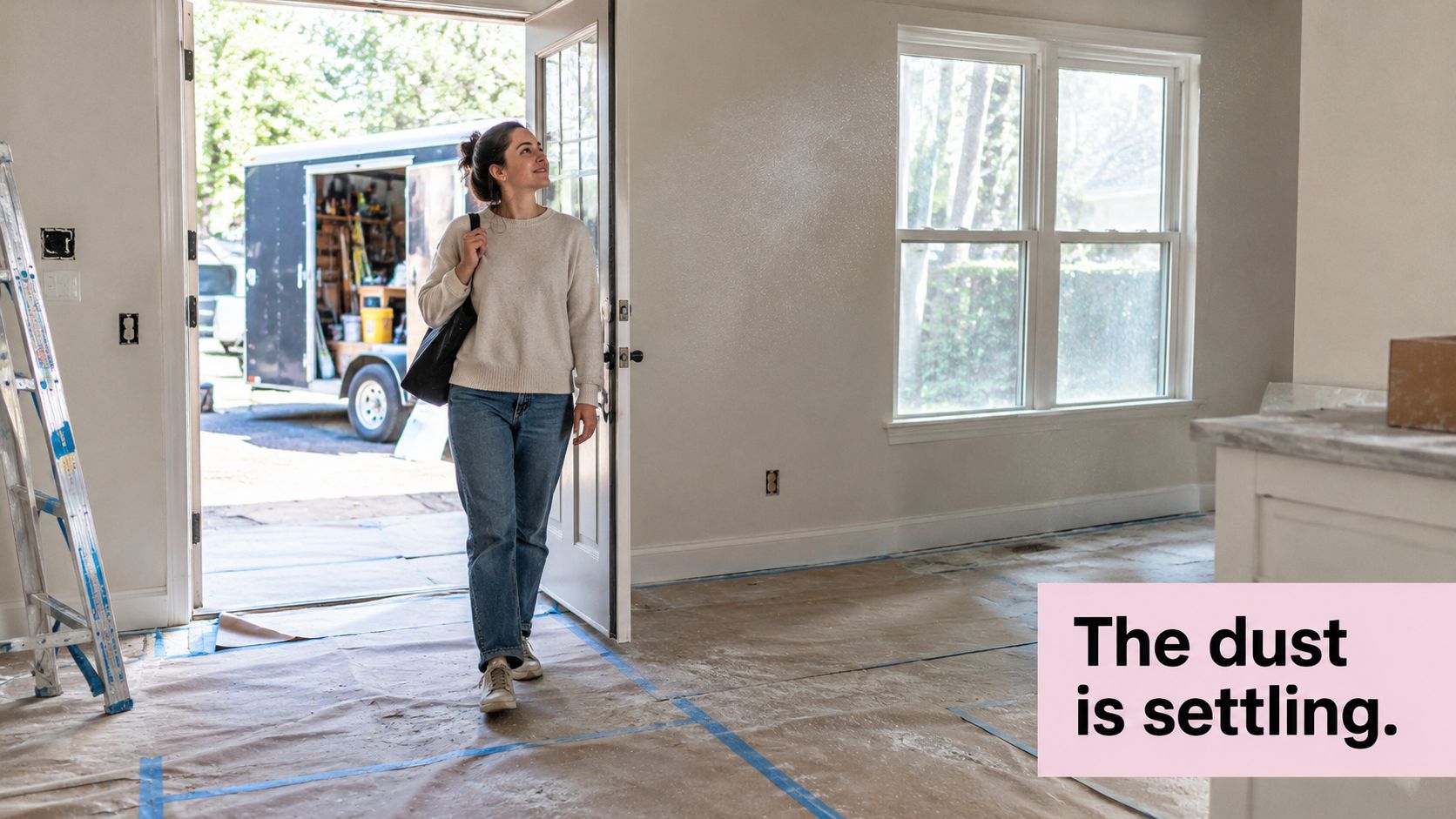
The house feels finished before it is ready
A homeowner may see new counters, tile, cabinets, or flooring and assume the difficult part is over. Then the first attempt to clean makes the problem larger. A dry broom lifts powder into the air, a regular vacuum exhausts fine particles back into the room, and a damp cloth dragged across a dusty surface creates streaks instead of removing the residue.
This is why practical resources about cleaning after construction are useful before you schedule a final cleanup. They help clarify the difference between removing visible debris and preparing every surface for occupancy.
Georgia homes add their own complications. Spring pollen can arrive as soon as the windows open, red clay can track across new flooring, and humid summers can make residue cling to surfaces. A renovation in an HOA community, a busy family home in Acworth, or a rental property being prepared for a new tenant all needs the same basic discipline: capture the dust instead of redistributing it.
For a helpful reminder about how particles travel through a home, review how dirt and dust can enter your home. The main lesson is simple. Once construction ends, cleanup should start with a plan, not with the nearest broom.
What a Post Construction Cleaning Company Actually Does
Routine housekeeping assumes the home is already maintained. A housekeeper wipes counters, vacuums floors, cleans bathrooms, and refreshes accessible surfaces. Post-construction cleaning starts with a space that has not yet reached a livable baseline.
The crew has to remove jobsite debris, collect packaging and scraps, capture fine particulate, and clean surfaces that may still have protective film, tape residue, paint flecks, or construction stickers. The standard is not “looks better.” The standard is ready for people, furniture, daily traffic, and final inspection.
The work goes far beyond a vacuum pass
A proper scope may include:
- Debris removal: Collect drywall scraps, wood pieces, packaging, protective coverings, and other remaining job materials that the contractor has left for disposal.
- HEPA vacuuming: Capture dust from ceilings, walls, trim, vents, registers, cabinet tops, ledges, and floors with equipment designed to limit re-aerosolization.
- Damp microfiber wiping: Remove the fine film from vertical and horizontal surfaces after dry particulate has been captured.
- Window detailing: Clean interior glass, frames, tracks, and sills where construction dust settles heavily.
- Cabinet cleaning: Wipe cabinet exteriors, drawer fronts, accessible interiors, and hardware without damaging the finish.
- Kitchen and bathroom detailing: Clean fixtures, mirrors, counters, backsplashes, appliances included in the written scope, and other finished surfaces.
- Floor care: Match the method to the material, whether the home has tile, hardwood, luxury vinyl, carpet, or another finished surface.
- Final residue removal: Address adhesive, stickers, small paint flecks, and other construction-specific residue with surface-appropriate techniques.
A true HEPA filter captures 99.97% of particles at 0.3 microns, according to industry guidance on post-construction filtration. That specification matters because a standard vacuum can collect visible debris while sending finer dust back into the room. A sealed HEPA vacuum followed by damp microfiber work is a much more sensible combination for drywall and renovation dust. See the detailed explanation of HEPA filtration in post-construction cleaning.
The difference between a jobsite and a move-in-ready home isn't just more labor. It's equipment, sequencing, surface knowledge, and a scope that includes the places a quick cleaning misses.
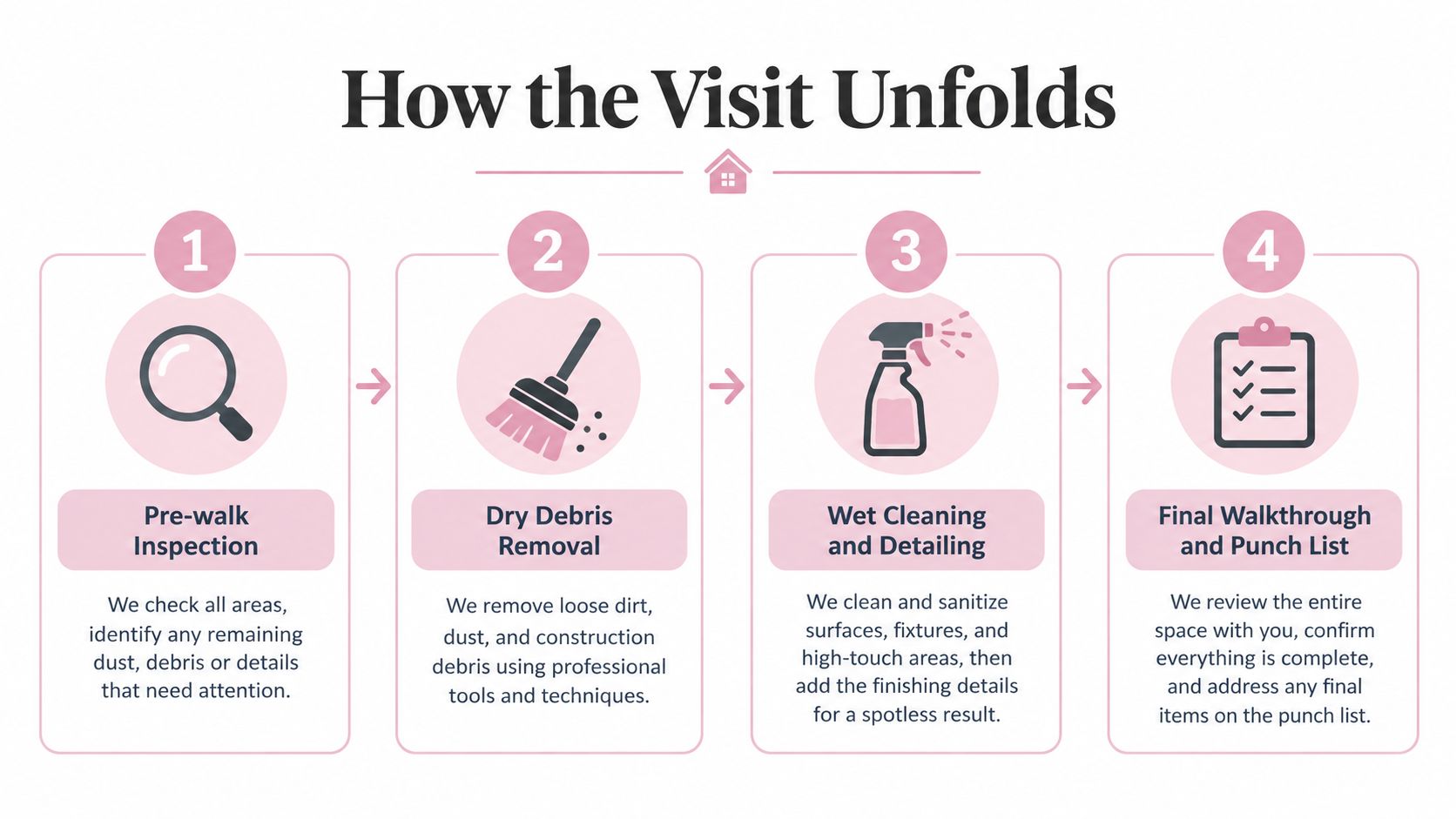
How a Proper Post Construction Cleaning Visit Unfolds
A reputable crew should be able to explain the workflow before arriving. If the company can't tell you what happens first, what happens after dust settles, and how the final inspection works, keep calling.
Start with a walk-through and written scope
The first phase is a pre-walk with the homeowner, contractor, property manager, or business representative. The cleaner should identify the rooms included, floor types, window access, cabinet interiors, remaining debris, paint residue, and any surfaces that need special handling.
That walk-through also separates rough cleanup from final detail cleaning. Rough work focuses on debris, trash, and heavy dust so the space can be accessed and finished. Final cleaning happens after the trades are done and concentrates on the surface-by-surface work needed before occupancy. For a renovation, ask whether both phases are needed or whether the contractor has already completed the rough portion.
Work from rough to finished
The usual order should look something like this:
- Inspect and protect. Confirm the scope, identify fragile finishes, and remove or protect items that shouldn't be exposed to cleaning products or equipment.
- Remove loose debris. Bag construction waste, collect scraps, and clear floors and work areas before detailed cleaning begins.
- Capture dust from the top down. Vacuum ceiling fans, vents, registers, ledges, walls, trim, cabinet tops, and other high surfaces before addressing the floors.
- Damp-clean hard surfaces. Use microfiber and an appropriate low-residue solution on walls, doors, trim, counters, fixtures, cabinets, and other nonporous finishes.
- Detail glass and built-ins. Clean interior windows, tracks, sills, drawers, cabinet interiors, and hardware where dust hides.
- Finish kitchens, bathrooms, and floors. Match the process to the material and remove residue without scratching or dulling the finish.
- Walk the property again. Use a punch list for hazy glass, missed ledges, gritty corners, paint flecks, and any area the homeowner or contractor wants corrected.
Fine construction dust can remain airborne for 24 to 48 hours after construction activity ends, and cleaning too early can increase recirculation. Guidance on the complete post-construction cleaning sequence supports waiting until cutting, sanding, and other dusty work has finished before starting the final process.
A kitchen-and-bath refresh may fit into a focused appointment if the contractor has removed the major debris. A whole-home renovation, especially one with new flooring, extensive drywall, or several unfinished rooms, may require more than one visit or a rough clean followed by a final clean. The right answer comes from the walk-through, not a guess over the phone.
For a plain-language overview of the service itself, see what post-construction cleaning includes. The important test is whether the crew moves from high surfaces to low surfaces and from dry capture to wet detailing. That order tells you more than a polished sales description.
Why the Dust Is the Real Problem, Not Just the Mess
Visible scraps are easy to understand. Fine particulate is harder because it hides in places you don't inspect every day. Drywall dust settles inside window tracks and carpet fibers. Sawdust lodges along trim and under cabinet edges. Dust from concrete, tile, brick, or stone work can reach HVAC returns and be disturbed whenever a door closes or air moves through the home.
Government safety guidance warns that dry sweeping concrete dust can create high peak exposures and recommends avoiding it where possible. The same guidance emphasizes wet methods and HEPA vacuuming instead of compressed air or dry sweeping. Read the practical recommendations for sweeping and cleaning construction dust safely.
Timing changes the result
A quick walkthrough the day after the contractor leaves may show clean floors and clear counters, yet still miss the dust sitting above eye level. If someone dry sweeps or uses the wrong vacuum, particles can move from one room to another instead of leaving the home.
A proper cleaner waits until cutting, sanding, drilling, and other dusty activity is over. The crew then captures settled material from ceiling level down, wipes surfaces with damp microfiber, and returns attention to tracks, registers, high ledges, cabinet interiors, and other places where residue can resettle.
Look for these signs that the work was incomplete:
- Hazy window glass: The final glass and track phase was rushed or skipped.
- Gritty outlets and switch plates: The wall-detailing phase didn't reach small fixtures and edges.
- Residue on ceiling fan blades: Surfaces weren't cleaned before the floors.
- Dust inside registers: The crew didn't give vents and returns enough attention.
- Powder along grout lines: The floor-detailing phase used broad cleaning rather than careful extraction and wiping.
- Film on cabinet tops: The cleaner stopped at eye level instead of working from high to low.
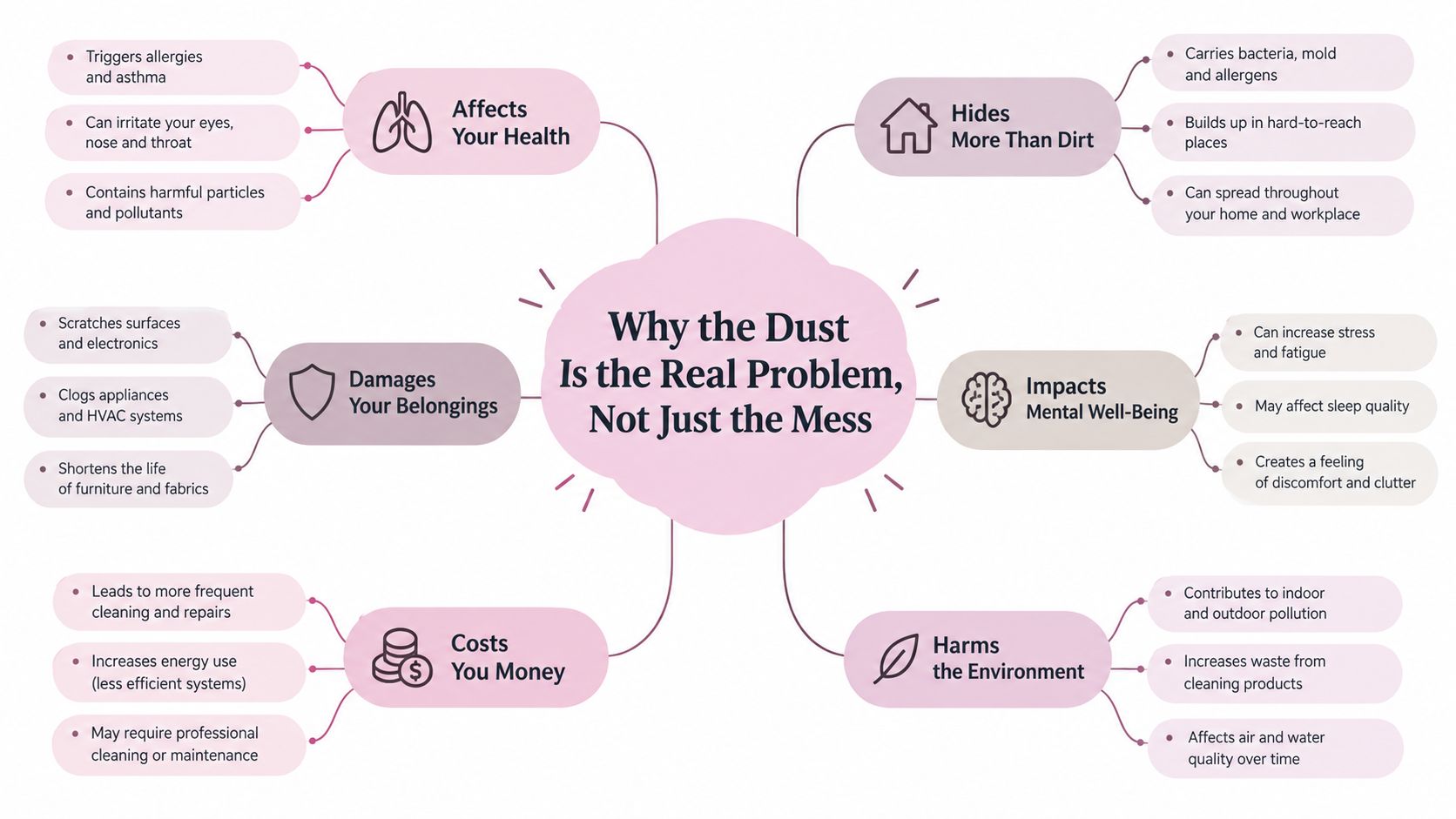
OSHA's construction silica standard sets a permissible exposure limit of 50 micrograms per cubic meter of air averaged over an 8-hour shift, which helps explain why wet methods and HEPA-filtered vacuums are preferred over dry sweeping for silica-containing dust. The limit is an occupational standard, not a promise about a particular home, but it reinforces the practical point: dust capture deserves more attention than appearance alone. A useful companion guide on how to reduce dust at home can help after the professional cleanup is complete.
In a Powder Springs, Kennesaw, or Acworth renovation, the best result comes from treating dust as a material that must be captured and removed. A space can look bright while still needing detailed work.
What to Ask Before You Hire a Cleaning Company
Don't settle for “yes, we clean construction dust.” Ask questions that reveal whether the company has a real process. A general maintenance cleaner may do excellent routine housekeeping and still lack the equipment or technique for a renovation handoff.
Keep this checklist open during your call:
Questions that reveal the actual scope
- Do you separate rough cleaning from final cleaning? Ask what happens during each phase and whether debris removal is included.
- Will someone walk the property before quoting? A serious quote should account for the number of rooms, floor materials, windows, cabinets, residue, and remaining jobsite debris.
- Do you bring sealed HEPA equipment? Ask what surfaces the crew will vacuum and whether they use damp microfiber after dry capture.
- Who cleans the glass and window tracks? Don't assume interior windows, frames, tracks, and sills are included.
- How do you remove paint flecks, stickers, and adhesive? The answer should mention surface-appropriate tools and products, not aggressive scraping everywhere.
- What happens with cabinet interiors, drawers, baseboards, and registers? These details often separate a final clean from a quick floor-and-counter visit.
- Is the quote based on a defined scope or hourly labor? You need to know what you're paying for, what is excluded, and how additional work is handled.
- How many cleaners will come? The crew size should match the home, the amount of residue, and the deadline, not a generic staffing formula.
- Can you provide current proof of insurance? Confirm general liability and workers' compensation coverage before anyone starts.
- Can you share references from local builders, property managers, or homeowners? Ask for examples relevant to renovations rather than only routine house cleaning.
Practical rule: If a company won't put debris removal, window detailing, cabinet work, floor care, and final touch-ups in writing, the quote is incomplete.
Ask about products, not just equipment
Families in Marietta and Acworth may be living in the home while renovation work finishes. Ask whether the company uses natural, low-odor products and how it protects new stone, hardwood, painted surfaces, and fixtures. Fewer harsh chemicals and lower odor can make the transition more comfortable, especially when the house must be occupied soon after cleaning.
Also ask who will lead the appointment. A dedicated cleaner who understands the scope can notice residue that a rotating crew may overlook. The person giving the estimate should be able to explain the order of work in plain language. If the answer is vague, keep looking.
Why a Local, Insured Crew Makes a Practical Difference
A local crew isn't automatically qualified, and a large company isn't automatically careless. The practical difference is accountability you can verify before the first appointment.
Start with the basics. Ask for the company's Georgia business information, a real local address, current liability documentation, and workers' compensation coverage. If a general contractor is coordinating the work, ask whether the certificate of insurance can identify the relevant party as required for the project. You should also know who is entering the home, whether the cleaners are employees or subcontractors, and who handles a return visit if the final walk-through finds missed residue.
Insurance matters when new finishes are at risk
A renovation often includes materials that cost more to repair than the cleaning appointment. A ladder can damage new hardwood. A careless product can affect a quartz countertop, painted cabinet, or delicate fixture. Liability coverage gives the property owner a defined path if the company causes accidental damage. Workers' compensation helps address workplace injuries involving the cleaning crew.
Without appropriate coverage, the homeowner or contractor may face an unpleasant dispute over responsibility. Don't accept “we've never had a problem” as a substitute for documentation.
Local knowledge improves follow-through
Maid in America is a locally and privately owned cleaning business in Kennesaw, owned by Vicky Bates. The company is licensed, bonded, and insured, uses carefully selected and trained cleaners, and works with natural, low-odor products. Where scheduling allows, one dedicated cleaner is usually sent to each home, so clients often get to know that cleaner by name instead of meeting a different large team every time.
That kind of continuity can help with a renovation because the cleaner learns which surfaces need extra care and which details the homeowner considers important. It also makes communication easier when the contractor returns for a final punch-list item.
The surrounding market is substantial. The City of Kennesaw reports that its population grew from 29,783 to 33,036 between 2010 and 2020 on its demographics page. The Atlanta Regional Commission reports 771,952 residents in Cobb County, a 12.2% increase since 2010, and a projected population of 1,035,796 by 2050 in its Cobb County regional profile. That reach supports a practical local network across Kennesaw, Acworth, Woodstock, Marietta, and nearby West Cobb communities.
| Factor | Local Insured Crew | Out-of-Area or Uninsured Crew |
|---|---|---|
| Accountability | Real local contact and a defined business identity | Responsibility may pass between a dispatcher, contractor, and rotating crew |
| Insurance | Can provide current liability and workers' compensation documentation | Coverage may be unclear, expired, or absent |
| Follow-up | A touch-up can be coordinated with the same local office | A return visit may require a new scheduling process |
| Continuity | A dedicated cleaner may learn the home and the client's priorities | Different workers may arrive without the full context |
| Scope review | Local walk-throughs can account for West Georgia homes and finishes | Quotes may rely on limited information or broad assumptions |
| Communication | Homeowner, contractor, and cleaner can speak directly | Communication may be handled through an out-of-area dispatcher |
For a home in Acworth, a business in Marietta, or an HOA amenity space in Woodstock, the lower-risk choice is the crew that can document its coverage and stand behind the scope locally.
Your Next Step Toward a Clean, Move-In Ready Home
The right decision doesn't require a complicated process. Before booking, confirm four things:
- Insurance: Verify that the company is licensed, bonded, and insured, and ask for current documentation.
- Dust control: Confirm the use of HEPA filtration, damp microfiber cleaning, and a top-to-bottom sequence.
- Phases: Ask whether the project needs rough debris removal, final detail cleaning, or both.
- Written scope: Make sure the estimate lists debris removal, windows and tracks, cabinets, fixtures, floors, residue removal, and the final walk-through.
Share the renovation details clearly. Tell the cleaner whether the project involved drywall, tile, concrete, cabinet installation, flooring, painting, or major changes to kitchens and bathrooms. Mention whether furniture is already inside, whether another subcontractor still needs access, and whether the property is a home, rental, office, or HOA clubhouse.
A local post-construction cleaning company serving Kennesaw, Acworth, Woodstock, Cartersville, West Cobb, Marietta, Dallas, Hiram, and Powder Springs can coordinate around the project rather than treating the home like a standard maintenance appointment. Maid in America also provides basic maintenance cleaning, Top-to-Bottom Deluxe/deep cleaning, move-in/move-out cleaning, office cleaning, HOA clubhouse and community amenity cleaning, and recurring service on weekly, biweekly, every three weeks, or monthly schedules. Add-ons include inside ovens or fridges, baseboards, cabinets, interior windows, grout, laundry, dishes, and upholstery vacuuming.
The company's service is built around personalized cleaning with carefully selected products and trained professionals. It also carries a 4.9-star Google rating and was voted Best Home Cleaning Service by Around Acworth Magazine. For clients dealing with serious health circumstances, Maid in America is a proud partner of Cleaning for a Reason, which provides free cleaning for cancer patients.
Use the company's post-construction cleaning service page to review the service, then prepare the square footage, renovation timeline, and list of priority areas for the estimate. The sooner you establish the scope after the trades leave, the less chance dust has to migrate through returns, settle into grout lines, and spread across newly finished rooms.
A clean renovation should feel finished, not merely abandoned by the contractor. Choose the crew that captures dust carefully, respects the materials in your home, documents its coverage, and gives you a clear final walk-through.
Maid in America provides health-conscious post-construction cleaning in Kennesaw, Acworth, and nearby West Georgia communities, using natural, low-odor products and trained, licensed, bonded, and insured cleaners. Request a free estimate online by visiting Maid in America or call 770-427-4448 with your renovation timeline and cleaning priorities.




Maid in America provides reliable, personalized cleaning with natural products for homes, offices, and communities across West Georgia. Licensed, bonded, and insured, we’re locally and privately owned.
Get in touch with us today!
info@maidinamericaga.com