The Toxic Material Inside Your Vacuum
Vacuum cleaners collect a variety of materials from our homes, and these materials can harbor different types of contaminants. Beyond the obvious dust and debris, bacteria, molds, ultrafine particles from the motor, and even persistent chemicals can be found within the vacuum and potentially recirculated into the air during use. Regular cleaning and maintenance, including emptying the canister or replacing bags, cleaning/replacing filters, and ensuring hoses are clear, can help minimize exposure to these contaminants and maintain good indoor air quality.
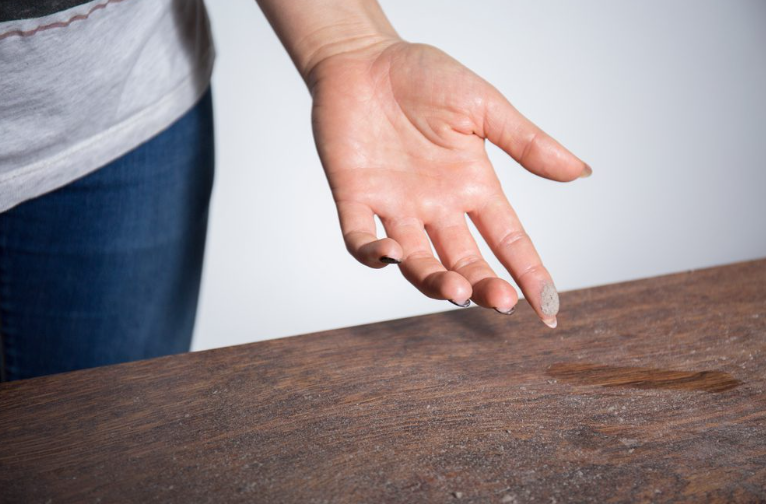
- Dust and Allergens: This is the most obvious contaminant. It’s composed of a heterogeneous mix including:
- Dead skin cells, hair, fibers: From people, pets, and fabrics.
- Dust mites and their feces: These microorganisms thrive on dead skin cells and are a common allergen.
- Pollen and mold spores: Tracked in from outdoors or growing indoors.
- Dirt, soil, and other particulates: Brought in on shoes or from outdoor environments.
- Small insects and fragments: Potentially including dust mites as well as fleas & pet droppings.
- Microbial Content: Bacteria and molds are present in the dust and can be aerosolized during vacuuming.
- Ultrafine Particles: These are tiny particles, including those generated by the vacuum cleaner’s motor (e.g., copper and carbon from carbon brushes), that are small enough to be inhaled and absorbed into the bloodstream. These can irritate allergies and can be toxic.
- Bacteria and Molds:
- Vacuum cleaner bags or canisters can trap and hold live bacteria and molds, potentially acting as breeding grounds if moisture is present.
- Some bacteria found can carry antibiotic resistance genes, and even the Clostridium botulinum toxin gene.
- Vacuuming can release these microorganisms into the air as bioaerosols.
- Examples include Salmonella and human-associated bacteria.
- Semi-Volatile Organic Compounds (SVOCs): These are chemicals that can persist indoors for years, emitting slowly from materials like plastics, flame retardants, and pesticides. They can attach to dust particles and contribute to indoor air pollution.
- Perfluoroalkyl Chemicals (PFCs): These ubiquitous contaminants are found in many household products and can accumulate in dust. They have been linked to a variety of health problems.
- Fleas: If you share a vacuum that belongs to a pet owner. This is a main reason Maid in America recommends providing your own vacuum on cleaning day.
As always, be sure to empty your vacuum into a garbage bag, then seal it in a tight knot & send it to the outdoor garbage bin. And be sure to clean your vacuum at least once monthly or more often if you can. Here is a great article from our friends at Better Homes & Gardens magazine that will guide you through the cleaning process.
https://www.bhg.com/homekeeping/house-cleaning/tips/how-to-clean-vacuum/