How to Keep Spiders Out of Your Home
You’re likely to spot these creepy crawlies indoors during autumn and winter, when shorter, darker days and colder temperatures see their annual migration from our gardens to our houses, but it’s not unusual at any time of year.
During late summer and autumn months, especially during September and October, there may be increased spider activity as the male spiders begin their search for a mate. So it is time to get prepared!
Keeping spiders out of your home involves a multi-pronged approach that focuses on prevention, cleanliness, and sealing entry points. While completely eradicating them might be difficult, you can significantly reduce their presence.
1. Seal Entry Points
Spiders can squeeze through surprisingly small cracks. Thoroughly inspect your home and seal any potential entry points.
- Caulk Cracks and Gaps: Use caulk to seal cracks in foundations, around windows and door frames, and where utilities enter the home.
- Repair Screens: Fix any torn window or door screens to prevent spiders and other insects from entering.
- Install Door Sweeps: Place sweeps under exterior doors to close the gap between the door and the threshold.
- Cover Vents and Chimneys: Use fine mesh screens over vents, attic openings, and chimneys.
2. Reduce Food Sources
Spiders come into your home looking for food (other insects). By reducing the population of other pests, you make your home less attractive to spiders.
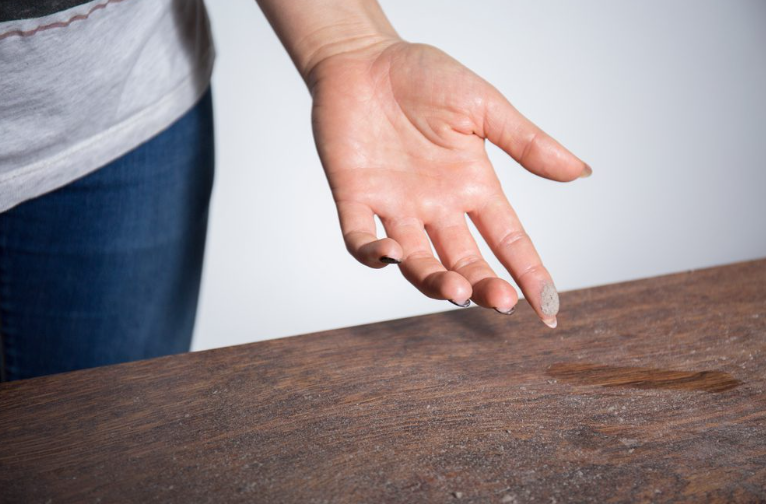
- Regular Cleaning: Vacuum and sweep regularly to remove crumbs, dust, and other debris that can attract insects.
- Store Food Properly: Keep food in airtight containers to prevent attracting ants, flies, and other small insects.
- Manage Moisture: Fix leaky pipes and reduce humidity, as many insects are attracted to damp environments.
- Declutter: Remove clutter, especially in basements, attics, and garages, as these areas provide hiding spots for insects.
3. Maintain Your Yard
A well-maintained exterior can also deter spiders from coming inside.
- Clear Vegetation Away from the House: Trim bushes, trees, and ivy so they don’t touch your home. These can serve as bridges for spiders to access your house.
- Remove Debris: Get rid of woodpiles, leaf litter, and other yard debris near the foundation of your home, as these are common spider habitats.
- Check Exterior Lighting: While outdoor lights are useful, they can attract other insects, which in turn attract spiders. Consider using yellow or sodium vapor lights, which are less attractive to insects, or turn off unnecessary exterior lights.
4. Natural Deterrents
Some natural methods may help deter spiders, though their effectiveness can vary.
- Peppermint Oil: Spiders are said to dislike the scent of peppermint oil. Mix a few drops with water in a spray bottle and spray around entry points, cracks, and dark corners.
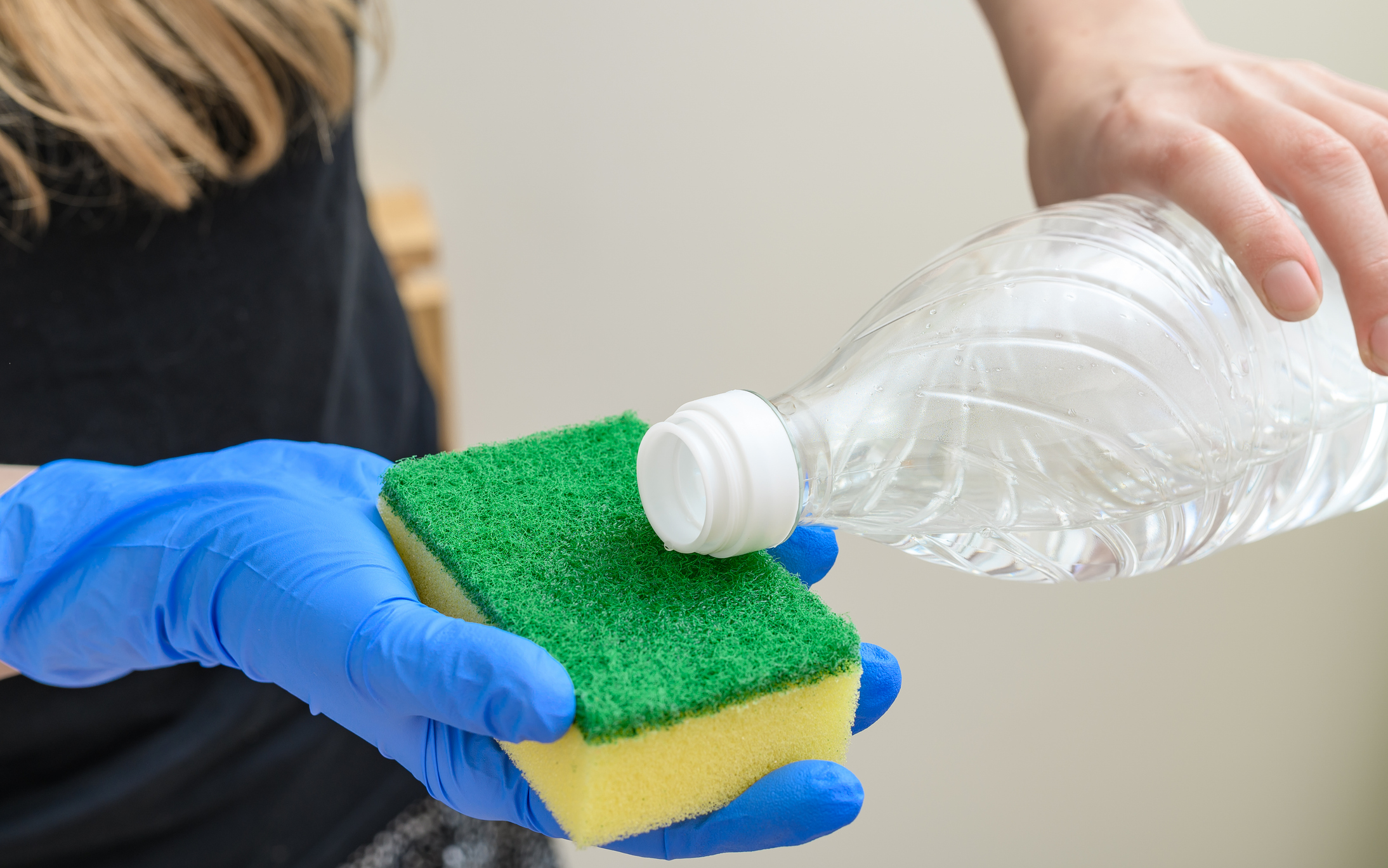
- Vinegar: White vinegar can also act as a deterrent. Spray a diluted solution in areas where you’ve seen spiders.
- Chestnuts/Horse Chestnuts: Some people believe placing chestnuts on windowsills or in corners can deter spiders.
- Citrus Peels: Rubbing citrus peels on baseboards or windowsills is another suggested natural deterrent.
5. Cleaning and Vacuuming
Consistent interior cleaning is a simple yet effective way to remove spiders and their webs.
- Vacuum Regularly: Pay close attention to corners, under furniture, and along baseboards.
- Remove Webs: Immediately remove any spider webs you see.
- Dust Thoroughly: Dusting can remove spider eggs and small spiders.
By combining these strategies, you can create an environment that is less appealing and accessible to spiders, significantly reducing their presence in your home.